

Prepare a UAT environment with the exact release build, masked test data, isolated resources, and security and deployment controls drawn from NIST and OWASP.
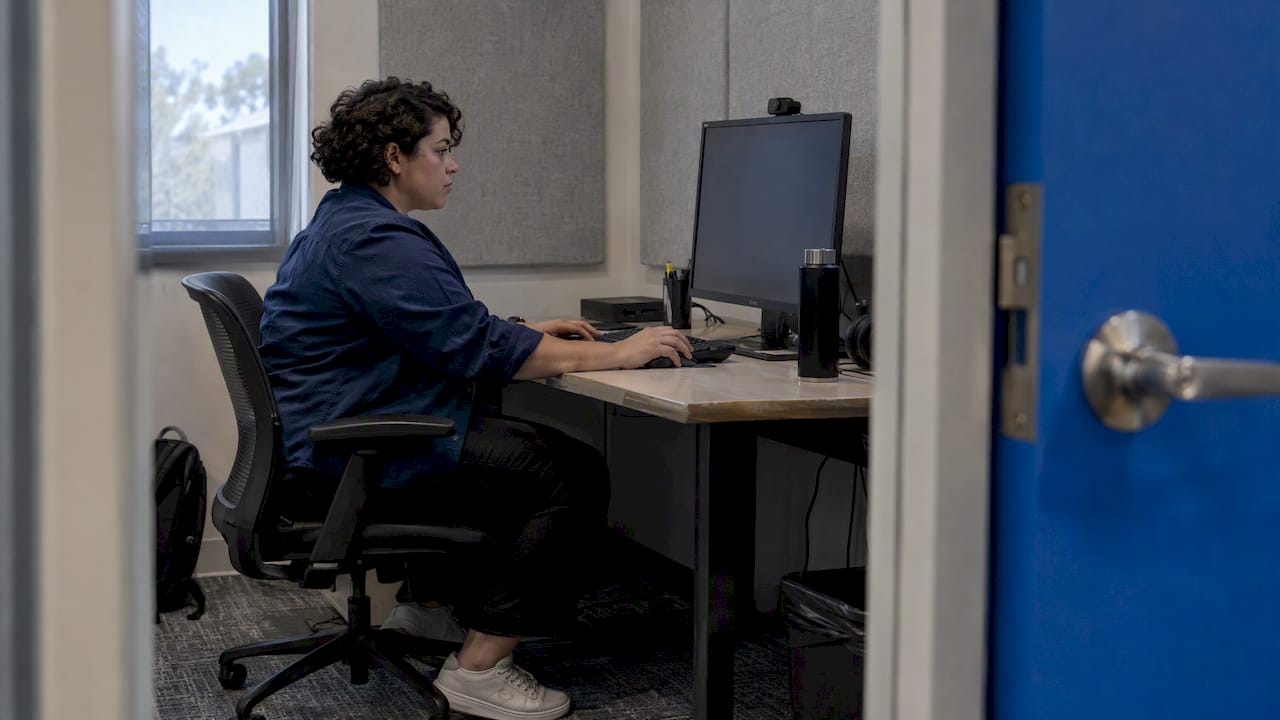
Keep patient data out of defect reports with a HIPAA checklist for QA teams covering synthetic data, redaction, access controls, and secure UAT tracking.

Build machine learning duplicate detection with hashing, embeddings, and ticket telemetry. Learn to evaluate matches and validate results with human review.

Merge duplicate tickets without losing comments or files. Test strict rules on 5,000+ records, review uncertain matches, and keep 30–90 day rollback traces.

Set up SCIM provisioning for UAT with four endpoint checks, test CRUD flows, inspect provisioning logs, and capture reproducible evidence for handoff.

Fix Chrome microphone permissions on desktop and Android, check operating system access, and learn why HTTPS, other browsers, and QA workflows matter.

Learn how to capture a screen region on Windows, macOS, or Android, then share cleaner bug reports that show developers only the relevant UI.

Learn where UAT belongs in Agile, when to validate during a sprint or before release, and how to set acceptance criteria, ownership, and release gates.

Learn when facecam helps bug reports and when to skip it. Apply five UAT checks and a workflow that safeguards privacy for actionable QA recordings at scale.

Platform first steps to capture system audio on Windows, macOS, Android, and iOS, plus when QA teams should switch from ad-hoc capture to UAT grade tools.