

Skip to content
WezardApp logo featuring bold blue text and a yellow smile, representing a tool for enhancing feedback management in insurance operations.
  • Who is it for
  • Use Cases
    • UAT Testing
    • Bug Tracking Tool
    • Website Feedback
  • Learn
    • Integrations
      • Jira
      • Azure
    • Blogs
    • Ticket Widget Guide
  • Pricing
  • FAQ’s
  • Contact
Watch
Book Demo

October 12, 2026

By Varsha Odapally

  • QA analyst selecting a screen recording region

    Partial Screen Recording: One Extra Minute, Faster Bug Triage

    October 12th, 2026

    Learn how to capture a screen region on Windows, macOS, or Android, then share cleaner bug reports that show developers only the relevant UI.

  • UAT tester and analyst reviewing a feature

    UAT in Agile: Why Signoff Belongs in the Definition of Done

    October 11th, 2026

    Learn where UAT belongs in Agile, when to validate during a sprint or before release, and how to set acceptance criteria, ownership, and release gates.

  • QA tester narrating a facecam bug report

    Facecam in Bug Reports: 5 UAT Checks for Enterprise QA

    October 10th, 2026

    Learn when facecam helps bug reports and when to skip it. Apply five UAT checks and a workflow that safeguards privacy for actionable QA recordings at scale.

  • QA tester recording a software bug

    Platform First Screen Recording With System Audio for QA Teams

    October 9th, 2026

    Platform first steps to capture system audio on Windows, macOS, Android, and iOS, plus when QA teams should switch from ad-hoc capture to UAT grade tools.

  • QA reviewer checking recorded bug evidence

    Faithful AI bug summaries for QA & Dev with screen backed evidence

    October 8th, 2026

    Practical playbook for QA and dev teams to deploy faithful AI bug summaries: copyable JSON schema, prompt templates, a QA checklist, and screen-backed...

  • Auditor reviewing UAT evidence artifacts

    SOC 2 for UAT: 5 Audit Ready Artifacts and Tool Configs

    October 7th, 2026

    US practitioner guide to SOC 2 for UAT. Map the five audit artifacts to controls, enforce SSO, and use session replay and transcripts to speed audits.

  • UAT testers comparing duplicate issue reports

    7–14 Day Plan to Cut Duplicate UAT Tickets: Detection vs Linking

    October 6th, 2026

    Practical UAT guide to cut duplicate bug reports. Deploy pre-submit detection, use Jira/Azure linking for traceability, and follow a 7–14 day rollout plan.
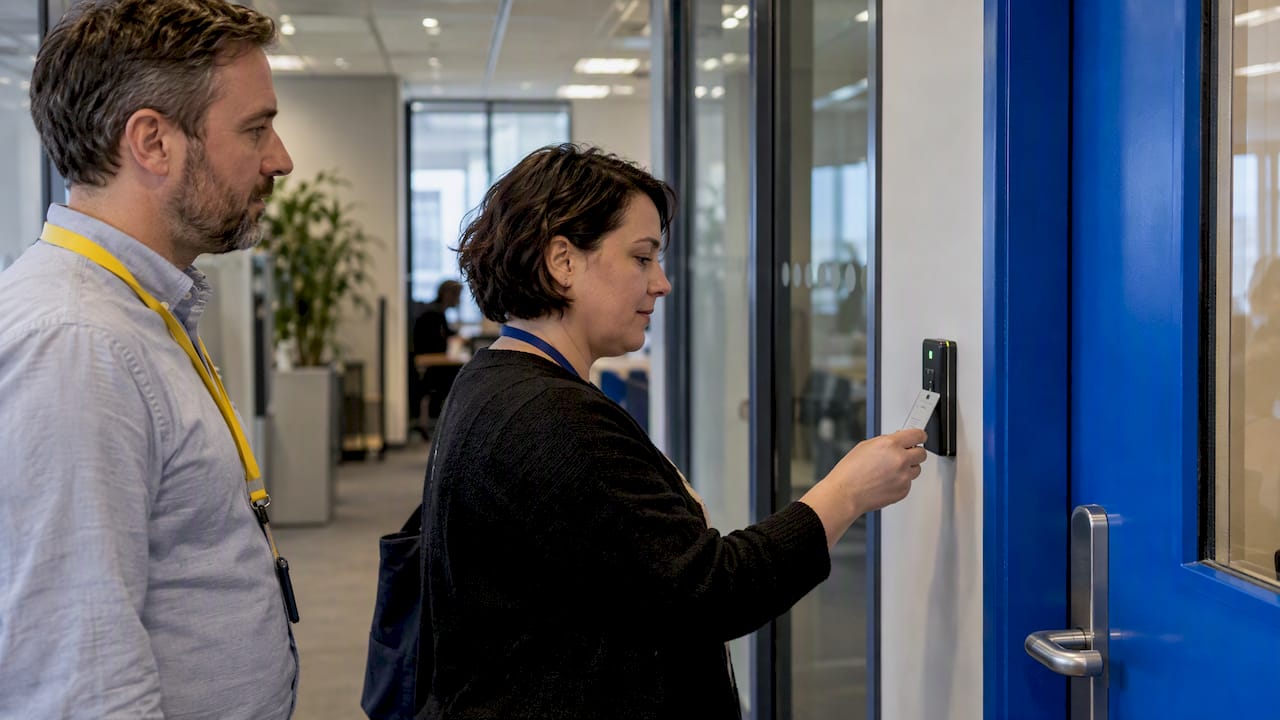
  • QA lead verifying rollout access permissions

    90 Day UAT Tool Rollout: Operational Gates for QA Teams

    October 5th, 2026

    Turn UAT sign offs into a safe rollout with concrete entry criteria, 30/60/90 milestones, monitoring signals, and rehearsed rollback steps for QA and...

  • QA tester rerunning a software issue

    Six Steps to Turn Auto Capture Into a Falsifiable Repro for QA

    October 4th, 2026

    QA teams can convert raw auto capture artifacts into minimal, falsifiable reproductions with a six step checklist, ticket ready templates, and triage rules.

  • UAT reviewers deciding duplicate ticket matches

    UAT Teams: Set Duplicate Detection Thresholds Without Auto Close

    October 3rd, 2026

    Operational guide for UAT QA teams to set duplicate detection thresholds. Use a two stage retrieval plus classifier, add execution context like screen...

12Next

WezardApp logo featuring bold blue text and a yellow smile, representing a tool for enhancing feedback management in insurance operations.

+1 (586) 232-5001
info@wezardapp.com

Ready To Take Your Business To The Next Level?

Let Wezard Help You Get There.

Book a Demo
  • Use Case
  • FAQ’s
  • Contact Us
  • Pricing
  • Blogs
  • Privacy Policy
  • Data Processing Agreement
Page load link
Go to Top

Understanding User Feedback and Bug Reporting

User feedback is an essential part of the software development lifecycle, allowing teams to identify issues and improve user experience. By effectively capturing feedback, organizations can address user concerns proactively and enhance product quality.

Bug reporting plays a crucial role in this process, enabling users to report issues they encounter while using an application. Tools like Wezard automate this process, making it easier for users to submit reports and for developers to manage and resolve them efficiently.

Benefits of Integrating Wezard with Project Management Tools

Integrating Wezard with project management tools such as Jira, ServiceNow, and Azure DevOps streamlines the workflow for development teams. These integrations allow for seamless ticket creation and management, ensuring that user feedback is tracked and prioritized effectively.

For example, when a user submits a bug report through Wezard, it can automatically generate a ticket in Jira, reducing the time spent on manual entry. This not only improves efficiency but also ensures that no critical feedback goes unnoticed.

Exploring Use Cases for Wezard

Wezard can be utilized in various scenarios to enhance user engagement and improve product offerings. From software development teams to customer support departments, the application provides a versatile solution for capturing and managing user feedback.

For instance, a SaaS company may use Wezard to gather insights from users during beta testing phases, allowing them to make data-driven decisions before launching a product. This proactive approach can significantly reduce the occurrence of duplicate tickets and enhance overall user satisfaction.

How to Get Started with Wezard

Getting started with Wezard is a straightforward process that involves setting up an account and integrating it with your existing tools. Once configured, users can begin submitting feedback and bug reports effortlessly.

The intuitive interface of Wezard allows both users and developers to navigate the application easily, ensuring that feedback can be submitted and managed without extensive training. This ease of use is a key factor in driving user adoption and maximizing the benefits of the tool.